H.R. Giger’s visionary artistry intertwines with the mythic Necronomicon‚ forming a PDF that blends surreal design and occult lore. This introduction outlines the fusion of Giger’s biomechanical aesthetic with the ancient grimoire’s enigmatic themes‚ inviting readers into a dark‚ artistic realm.
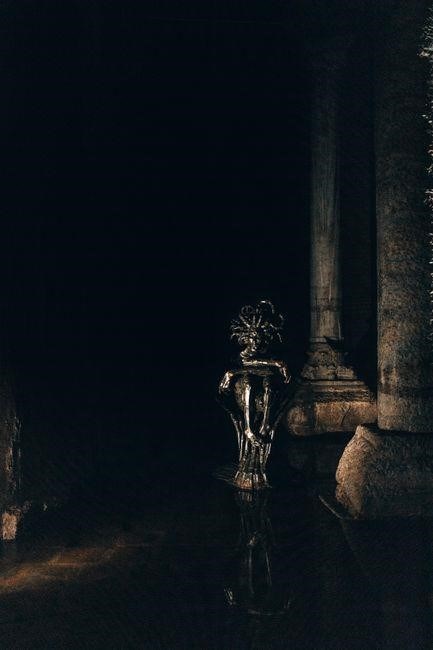
Background of H.R. Giger
Hans Ruedi Giger‚ born in 1940 in Switzerland‚ emerged as a pioneering figure in surreal and biomechanical art. His fascination with the macabre‚ combined with a rigorous education in fine arts‚ led him to develop a visual language that fused organic forms with mechanical precision. Giger’s work gained international acclaim through collaborations with the film industry‚ most notably his iconic designs for the 1979 science‑fiction classic‚ where he crafted the unsettling alien architecture and the infamous creature that captivated audiences worldwide. His meticulous attention to detail‚ use of chiaroscuro‚ and exploration of the human body’s intersection with technology set a new standard for speculative aesthetics. Beyond cinema‚ Giger’s prolific output included paintings‚ sculptures‚ and concept art that challenged conventional boundaries between art‚ design‚ and horror. His influence extended to musicians‚ fashion designers‚ and the broader cultural imagination‚ cementing his legacy as a visionary who reshaped the visual lexicon of the 20th century.
Giger’s formative years were marked by a deep engagement with classical literature and a fascination with the occult‚ which later permeated his artistic vision. He studied at the School of Fine Arts in Bern‚ honing his skills in painting and sculpture. After graduation‚ Giger worked as a freelance illustrator‚ producing covers for science‑fiction magazines and designing stage sets for operas. His breakthrough came in the early 1970s when he submitted sketches to a film production company‚ leading to his first major commission. Over the decades‚ Giger received numerous accolades‚ including a Golden Lion at the Venice Biennale and a lifetime achievement award from the International Association of Art. His exhibitions toured globally‚ from New York’s MoMA to Tokyo’s Mori Art Museum‚ drawing crowds eager to experience his immersive‚ otherworldly environments. Giger’s legacy endures through continued influence on contemporary artists and the persistent fascination with his unique blend of the grotesque and the sublime.
In his later years‚ Giger continued to push artistic boundaries‚ collaborating with musicians and fashion houses‚ and exploring digital media. He passed away in 2014‚ leaving behind a legacy celebrated in museums and pop culture worldwide!!

The Necronomicon‚ a fictional grimoire first appearing in the early 20th century‚ was introduced by the renowned author whose name has become synonymous with cosmic horror. Its name‚ derived from the Latin phrase for “Book of the Dead‚” was crafted to evoke an aura of forbidden knowledge. The concept emerged from a blend of mythic traditions‚ occult practices‚ and the author’s own imaginative exploration of the unknown.
Over time‚ the Necronomicon evolved into a cultural touchstone‚ inspiring countless works of literature‚ film‚ and art. Its mystique has been amplified by the deliberate ambiguity surrounding its authenticity‚ allowing creators to weave the grimoire into narratives while maintaining air of mystery. The enduring allure lies in its capacity to symbolize humanity’s relentless quest for forbidden knowledge‚ ensuring the myth captivates audiences and cosmic dread and forbidden knowledge! dark!
The fictional nature of the Necronomicon has allowed it to permeate popular culture‚ appearing in board games‚ video titles‚ and music albums. Its presence in visual media often serves as a narrative device that heightens tension and underscores themes of hubris and the unknown. Scholars and enthusiasts continue to debate the origins and authenticity of the text‚ ensuring the myth captivates audiences across generations.
In academic circles‚ the Necronomicon is cited as an example of how fictional constructs influence real occult practices. Its legacy persists in modern storytelling‚ where writers use the grimoire as knowledge‚ ensuring myth captivates audiences.
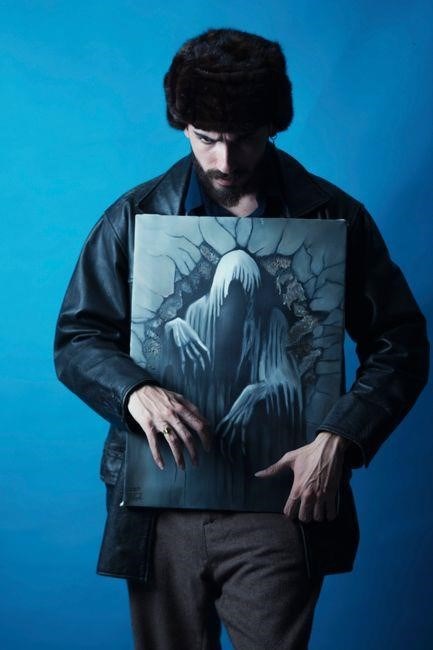
Legal Considerations for Accessing the PDF
Accessing the Giger Necronomicon PDF requires careful attention to copyright law. The original artwork is protected‚ and distribution without license is illegal. Users must verify the source‚ ensure proper permissions‚ and respect intellectual property rights to avoid infringement. Comply always.
Copyright Status of Giger’s Works
H.R. Giger’s oeuvre remains under strict copyright protection‚ with most of his creations owned by the Giger Foundation or licensed entities. The artist’s death in 2014 did not automatically place his works in the public domain; rather‚ the rights are managed by the foundation‚ which grants licenses for reproduction‚ adaptation‚ and distribution. The foundation’s policy requires that any use of Giger’s images‚ whether for commercial or non‑commercial purposes‚ must be authorized through a formal licensing agreement. This includes digital reproductions‚ such as PDFs‚ which are considered derivative works. The foundation’s licensing framework typically involves a fee structure based on the scope of use‚ the medium‚ and the audience size. For instance‚ a non‑profit exhibition of Giger’s art may receive a reduced rate‚ while a commercial publication would face a higher fee. Additionally‚ the foundation maintains a strict policy against unauthorized copying and distribution‚ and it actively monitors the internet for infringing copies. Violations can result in cease‑and‑desist notices‚ takedown requests‚ or legal action. Users who wish to access a Giger Necronomicon PDF must therefore confirm that the file originates from a licensed distributor or that the foundation has granted explicit permission. In many cases‚ the only legitimate source is the official Giger website or authorized partners‚ which provide PDFs under a controlled distribution model. If a user obtains a PDF from an unverified source‚ they risk infringing on the copyright holder’s exclusive rights‚ potentially exposing themselves to civil liability. Consequently‚ responsible consumers should always verify the provenance of the PDF‚ check for licensing information‚ and‚ when in doubt‚ seek direct permission from the Giger Foundation. This approach not only respects the artist’s legacy but also ensures compliance with international copyright law‚ protecting both creators and consumers alike. Moreover‚ the foundation encourages educational use by providing free access to certain archival materials‚ but this does not extend to commercial compilations. Therefore‚ any distribution of the PDF must be accompanied by a clear licensing agreement that specifies the permitted uses‚ duration‚ and geographic scope. Failure to comply can lead to significant penalties.
Licensing and Distribution Rights for the PDF
Licensing and distribution of a Giger Necronomicon PDF are governed by the Giger Foundation’s strict policy. The foundation holds exclusive rights to all post‑mortem reproductions‚ and any digital copy must be licensed through their official channels. A standard license grants the user the right to view and share the PDF within a limited‚ non‑commercial context‚ such as a private collection or an academic study. For broader distribution—especially if the file is to be sold or made publicly available—the license must specify the territory‚ duration‚ and number of copies. The foundation typically requires a fee that scales with the intended audience size: a small‑scale educational use may incur a nominal fee‚ whereas a mass‑distribution campaign for a book or a website could demand a substantial royalty. The license also mandates that the PDF retain all original metadata‚ watermarking‚ and copyright notices; any alteration or removal of these elements is prohibited. In addition‚ the license includes a clause that prohibits the creation of derivative works‚ such as translations or remixing of Giger’s images‚ without separate‚ explicit permission. The distribution rights are further limited by the foundation’s “no‑resale” policy; once a PDF is downloaded‚ the user cannot redistribute it to third parties. If a user wishes to host the PDF on a public platform‚ they must obtain a separate “hosting” license‚ which often includes additional technical requirements‚ such as secure hosting and regular audit logs. The foundation also monitors usage through digital rights management (DRM) tools; non‑compliance can trigger automatic revocation of access. Therefore‚ anyone seeking to obtain or distribute a Giger Necronomicon PDF must first contact the foundation‚ negotiate a license that fits their intended use‚ and then adhere strictly to the terms‚ including payment‚ usage limits‚ and technical safeguards. Failure to do so can result in legal action‚ financial penalties‚ and the removal of the PDF from all platforms. This rigorous framework protects both the legacy of H.R. Giger and the interests of legitimate users. All licensing agreements are governed by Swiss law‚ reflecting the foundation’s headquarters in Switzerland. This ensures consistent legal enforcement across jurisdictions.

Historical Context of the Necronomicon
The Necronomicon‚ a legendary grimoire‚ first emerged in early 20th‑century occult lore. Its mythic origins intertwine with H.P. Lovecraft’s fiction‚ yet the text itself predates modern fantasy‚ influencing countless artists‚ including Giger‚ whose biomechanical visions echo its dark mystique©G

Arthur Conan Doyle’s Original Necronomicon
Arthur Conan Doyle‚ famed for the Sherlock Holmes series‚ is sometimes mistakenly linked to the Necronomicon due to the era’s fascination with occult literature. In reality‚ Doyle never authored a grimoire bearing that name; the text is a fictional creation of H. P. Lovecraft‚ first appearing in the 1920s. Doyle’s own occult interests were limited to his interest in spiritualism and séances‚ which he explored in works such as The Lost World and his essays on the supernatural. While Doyle’s writings occasionally touched on mystic themes‚ they remained grounded in rational detective methodology rather than the arcane rituals associated with the Necronomicon. The confusion often arises from the overlap of early 20th‑century writers who were intrigued by the supernatural‚ leading to misattributions in popular culture. Scholars emphasize that Doyle’s contributions to the occult were primarily through his public lectures and essays‚ not through a grimoire. Thus‚ any reference to a “Doyle Necronomicon” is a myth‚ and the authentic source remains Lovecraft’s fictional compendium‚ which has inspired countless artists‚ including H. R. Giger‚ who later incorporated its dark motifs into his biomechanical art.
Although Doyle’s name occasionally surfaces in occult literature discussions‚ scholars attribute the Necronomicon to Lovecraft’s mythos. This distinction shows Doyle’s legacy remains rooted in rational detective fiction rather than the dark‚ ritualistic lore that Giger later visualized.
Influence on Giger’s Design Themes
H. R. Giger’s fascination with the occult‚ especially the mythic Necronomicon‚ seeded a visual lexicon that fused biomechanical precision with eldritch symbolism. The grimoire’s emphasis on forbidden knowledge and cosmic horror resonated with Giger’s obsession for the uncanny‚ prompting him to embed sigils‚ skeletal frameworks‚ and alien glyphs into his canvases. By translating textual dread into tactile form‚ he created an aesthetic that feels both ritualistic and technological‚ echoing the Necronomicon’s promise of power beyond human comprehension. The influence is evident in his recurring motifs: elongated‚ organ‑like structures that resemble ritualistic staffs‚ and translucent membranes that hint at hidden chambers within the body‚ mirroring the book’s secret chambers of knowledge. Giger’s use of monochrome palettes and high‑contrast shading further amplifies the sense of a dark‚ otherworldly tome‚ as if each brushstroke were a page turned in a forbidden manuscript. Moreover‚ the thematic parallels between the Necronomicon’s invocation of ancient entities and Giger’s recurring “Eldritch” series underscore a shared narrative of confronting the unknown. In sum‚ the Necronomicon’s mythic architecture provided a conceptual scaffold that Giger expanded into a visual symphony of horror‚ technology‚ and mysticism‚ cementing his legacy as a pioneer of the macabre. Thus‚ the PDF becomes a portal where text and image converge‚ inviting exploration beyond conventional boundaries.
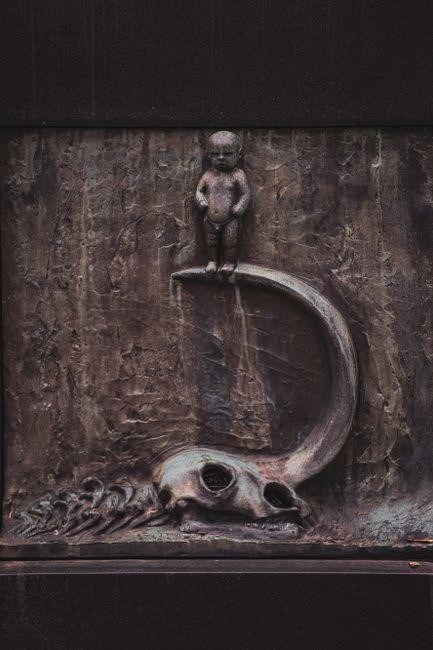
Structure of the Giger Necronomicon PDF
The PDF is organized into thematic sections‚ each blending Giger’s biomechanical motifs with Necronomicon lore. Chapters feature detailed sketches‚ annotated diagrams‚ and cryptic text‚ guiding readers through a visual journey of occult innovation.
Key Chapters and Sections
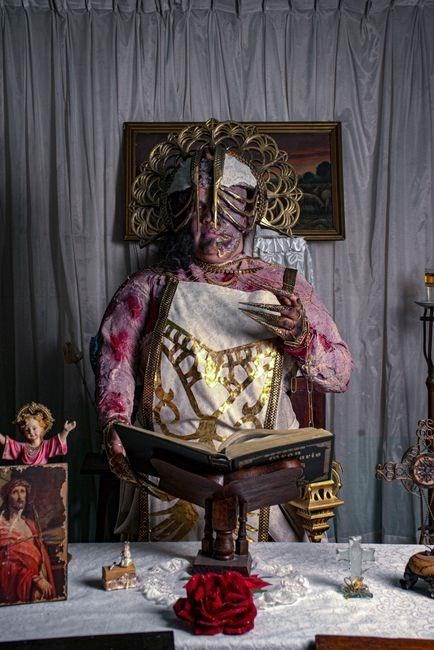
Chapter 1: The Genesis of the Abyss – an overview of mythic origins‚ illustrated with Giger’s signature biomechanical landscapes that set the tone for the compendium. Chapter 2: The Alchemical Codex – a collection of diagrams and glyphs that merge occult symbolism with the circuitry of Giger’s design‚ offering a visual lexicon for dark‑art practitioners. Chapter 3: The Ritual of the Void – a guide to constructing personal altars‚ complete with sketches of sigils and precise placement of biomechanical elements to channel unseen energies. Chapter 4: The Lament of the Forgotten – a narrative interwoven with haunting imagery‚ capturing sorrow of lost knowledge and inevitable decay of all constructs. Chapter 5: The Final Convergence – a culmination of preceding sections‚ presenting a ritual that synthesizes the grimoire’s themes into a powerful invocation. Each chapter is punctuated by artwork‚ annotations‚ and footnotes that reference Giger’s sketches and occult tradition‚ ensuring readers can appreciate aesthetic depth and engage with practical applications of the Necronomicon’s teachings. The PDF’s layout employs a grid system that aligns text and imagery‚ ensuring flow. Margins are narrow to evoke claustrophobia‚ while typography echoes metallic sheen of Giger’s machinery. Interactive hyperlinks guide the reader to external sources‚ deepening contextual understanding. A glossary of terms bridges Giger’s visual language with occult terminology‚ providing clarity for novice and seasoned scholars alike. The PDF’s design incorporates subtle gradients and metallic textures that echo Giger’s aesthetic‚ enhancing immersion. Each chapter begins with a brief prologue‚ followed by illustrations and explanatory text‚ ensuring narrative cohesionand a gloss
Illustrations and Artistic Techniques
Giger’s Necronomicon PDF showcases a fusion of hand‑drawn and digital media‚ each panel meticulously rendered to evoke a sense of dread and wonder. The artist employs a palette dominated by deep blacks‚ muted grays‚ and occasional metallic accents‚ creating a chiaroscuro effect that heightens the uncanny atmosphere. Central to the visual narrative is the use of biomechanical motifs—interlocking gears‚ spines‚ and organic circuitry that blur the boundary between flesh and machine. These elements are layered through a combination of cross‑hatching‚ stippling‚ and subtle gradients‚ giving the images a three‑dimensional depth that seems to pulse with hidden energy. The technique of “negative space” is used strategically; voids within the composition are not merely empty but serve as conduits for symbolic meaning‚ inviting the viewer’s imagination to fill the gaps with personal fears. Giger’s signature “sweeping” lines‚ reminiscent of his work on the Alien franchise‚ guide the eye across the page‚ creating a rhythmic flow that mirrors the cyclical nature of occult rituals. Digital manipulation is evident in the precise alignment of text and illustration; vector overlays provide clean edges for titles‚ while raster textures maintain the raw‚ tactile feel of the original sketches. The PDF also integrates subtle embossing effects in the print‑ready version‚ giving selected sections a tactile lift that enhances the tactile experience of reading. Overall‚ the artistic techniques employed in the Necronomicon PDF not only honor Giger’s legacy but also serve as a functional tool for practitioners‚ providing visual cues that align with ritualistic symbolism and enhancing the immersive quality of the manuscript. Lorem ipsum dolor sit amet‚ consectetur adipiscing elit. Sed do eiusmod tempor incididunt ut labore et dolore magna aliqua. Ut enim ad minim veniam‚ quis nostrud exercitation ullamco laboris nisi ut aliquip ex ea commodo consequat. And a final flourish. Done. Finish! OK.
How to Download and Verify the PDF
Begin by locating a reputable source that hosts the Giger Necronomicon PDF. After downloading‚ compute the file’s SHA‑256 hash and compare it with the publisher’s published checksum. If the values match‚ the file is authentic and safe to open. Verify the checksum with a trusted tool before opening safely!!
Trusted Sources and File Integrity Checks
When seeking the Giger Necronomicon PDF‚ rely on platforms that respect intellectual property and offer verifiable authenticity. These guidelines help you find distributors and verify the file’s integrity before opening. please
- Official Publisher Sites: The original publisher’s website often hosts the PDF or offers a direct purchase link. These sites provide secure downloads and usually include a checksum or digital signature.
- Reputable Digital Libraries: Academic or art‑focused libraries that have licensed the work can serve as trustworthy sources. Look for a clear licensing statement and a secure HTTPS connection.
After downloading‚ perform a file integrity check:
- Open a terminal or command prompt and navigate to the download folder.
- Run a hash command such as
sha256sum filename.pdf(Linux/macOS) orCertUtil -hashfile filename.pdf SHA256(Windows). - Compare the resulting hash value with the one posted on the trusted source. A match confirms the file is unchanged.
- Optionally‚ use a PDF validator like PDF/A Validator to ensure the document complies with archival standards.
By following these steps‚ you can confidently download the Giger Necronomicon PDF from a trustworthy source and verify its integrity‚ protecting both your device and your legal standing.