Comprehensive Guide to Anon Lenses
Welcome to this detailed overview․ Discover how premium eyewear enhances your entire winter sports experience․ We will explore various features and technical specifications to help you find the perfect gear for every single great mountain adventure today․
Anon optical technology represents a pinnacle of engineering designed specifically for the demanding environments of the mountains․ By combining advanced materials with precise manufacturing processes‚ these lenses offer a level of clarity that transforms how riders perceive their surroundings․ The foundation of this technology lies in the commitment to eliminating distortion‚ ensuring that the visual field remains crisp from edge to edge․ This approach involves the use of high-grade polycarbonates and specialized coatings that protect the eye while maintaining an unobstructed view․ Every layer of the lens is meticulously crafted to meet rigorous standards‚ focusing on the fundamental science of light transmission and refraction․ By prioritizing optical purity‚ the brand ensures that athletes can trust their vision regardless of the speed or intensity of their descent․ This introduction to their technical framework sets the stage for understanding how specific features work together to create a seamless visual experience․ Through continuous research and development‚ the engineering team has pushed the boundaries of what is possible in snow sports eyewear‚ blending functional utility with a sophisticated design philosophy that caters to both professional competitors and all casual enthusiasts․
Key Benefits of Using Anon Lenses
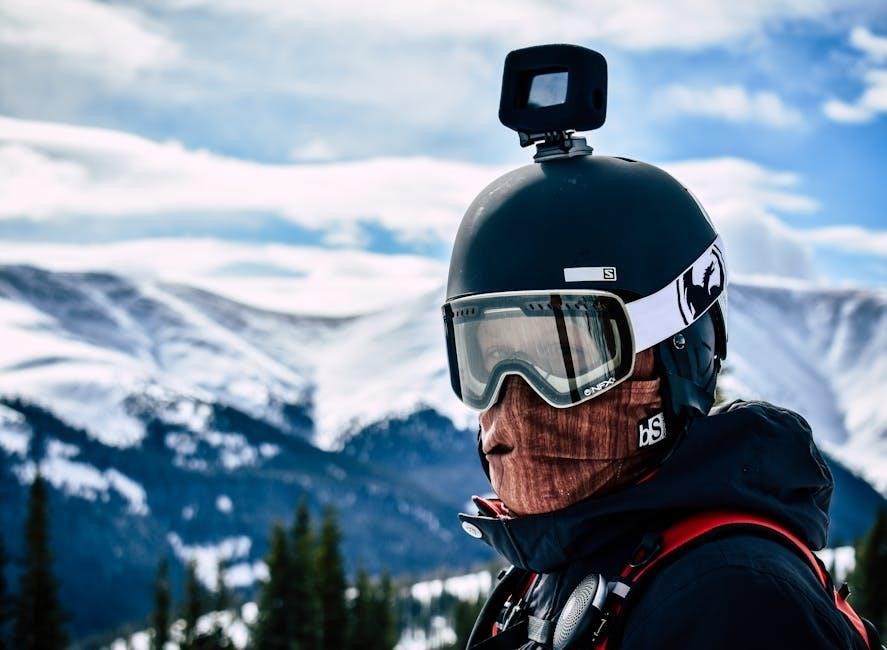
Using these high-quality lenses provides a multitude of advantages that directly impact the safety and comfort of the user․ One primary benefit is the exceptional durability‚ as the materials are engineered to withstand impacts and scratches during intense activity․ This ensures that your investment lasts for multiple seasons without compromising visual quality․ Additionally‚ the integrated moisture-management properties prevent condensation from building up on the surface‚ allowing for an uninterrupted view of the trail․ Protection from harmful ultraviolet rays is another critical advantage‚ safeguarding the eyes from long-term damage caused by intense radiation․ The ergonomic design ensures a secure fit‚ reducing wind leakage and preventing cold air from irritating the eyes․ Furthermore‚ the lightweight construction minimizes pressure on the face‚ which is essential for those spending long days on the slopes․ By reducing eye strain and increasing overall comfort‚ these lenses allow athletes to focus entirely on their performance and the joy of the ride․ The seamless integration with various frame styles makes them a versatile choice for any rider seeking a reliable solution that blends cutting-edge innovation with practical‚ everyday usability for all winter sports now․
Decoding VLT: Visible Light Transmission
VLT stands for Visible Light Transmission‚ a measurement indicating how much light passes through a lens․ Understanding this percentage is crucial for choosing gear that matches current lighting‚ ensuring you have the right visibility for safety now․
Low VLT: Optimal Performance for Sunny Days
When the sun is blazing‚ you need protection․ Low VLT lenses are designed specifically for these bright glare environments․ By allowing only a small percentage of light to reach your eyes‚ these darker tints effectively reduce squinting and prevent ocular fatigue during long sessions on the slopes․ This technical approach ensures that your vision remains comfortable even under the most intense radiation․ Because they block a significant portion of incoming light‚ these options are ideal for perfectly clear days where the sky is a deep blue and there are no clouds to soften the light․ Choosing a lens with a low transmission rate means you are prioritizing glare reduction over light intake․ This balance is essential for maintaining clear sight lines when the luminosity is at its peak․ Without this protection‚ the overwhelming brightness could lead to discomfort or impaired reaction times․ By utilizing these specialized filters‚ you can maintain a consistent visual experience‚ allowing you to focus entirely on your movement and the terrain ahead without being blinded by the harsh‚ direct sunlight that characterizes the brightest winter days of the entire calendar year now․
Medium VLT: Versatility for Changing Light
Medium VLT options serve as the perfect middle ground for athletes who encounter unpredictable weather throughout their day․ These lenses are engineered to handle a broad spectrum of lighting conditions‚ making them the most versatile choice in any gear bag․ When the sky shifts between bright sunlight and drifting clouds‚ a medium transmission rate ensures that you do not have to switch your equipment constantly․ This balance provides enough light to see contours in the snow while still offering sufficient protection against sudden bursts of brightness․ For many riders‚ this is the primary selection because it covers the majority of typical mountain scenarios․ Instead of specializing in extreme darkness or blinding light‚ these filters focus on adaptability․ They allow a moderate amount of visible light to pass through‚ which helps in maintaining a natural perspective of the environment․ By reducing the need for multiple lens swaps‚ these versatile tools save time and effort during transitions․ Whether you are navigating through light haze or dealing with intermittent shadows‚ the consistent performance of these lenses allows for a seamless experience across varying atmospheric states and lighting levels now․
High VLT: Maximum Visibility in Low Light
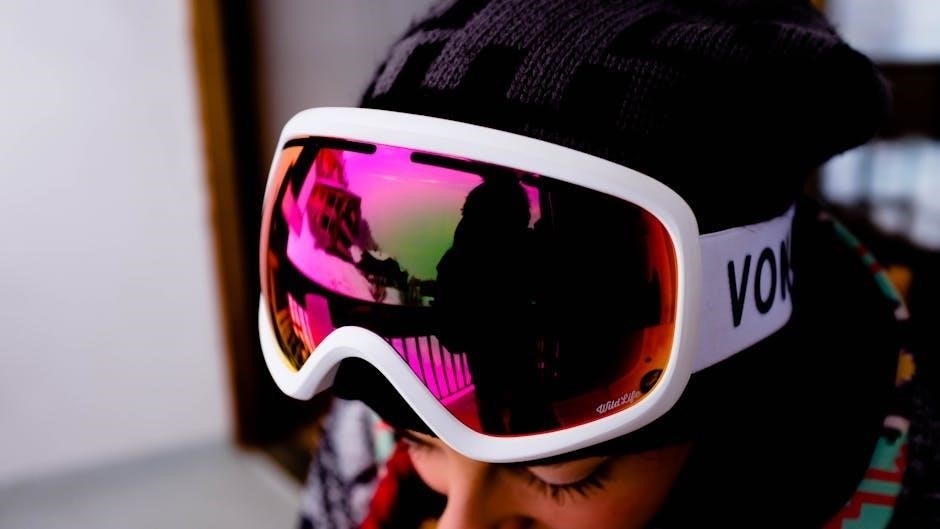
These specialized lenses are essential for those challenging moments when the world turns dim or dark․ Such advanced optics are designed to permit the maximum amount of light to reach the eye‚ ensuring that you can navigate the slopes safely during late-afternoon sessions or midnight excursions․ When visibility drops significantly due to extreme darkness or the natural onset of dusk‚ having a lens that prioritizes light intake is critical for identifying obstacles and terrain changes․ These options are specifically tailored for the lowest light environments‚ where standard lenses would simply be too dark to be functional․ By optimizing the transmission of visible light‚ these tools effectively brighten your field of vision‚ reducing the risk of accidents caused by poor sight․ They are the ultimate choice for nocturnal riding or night skiing‚ providing a clear window into the environment when shadows dominate․ Instead of struggling with dim views‚ users experience a heightened sense of clarity and confidence․ This specific category focuses entirely on maximizing luminosity‚ ensuring that no detail is lost to the darkness‚ allowing for an exhilarating and secure experience regardless of the hour or the storm․
Exploring Perceive Lens Technology
Dive into the innovative world of Perceive technology․ This advanced system redefines how athletes see the mountains․ By focusing on visual clarity‚ this engineering marvel provides a superior way to experience every single run on the slopes․
The Science Behind Contrast Enhancement
Perceive technology operates by meticulously filtering the visible light spectrum to isolate specific wavelengths․ By selectively blocking interfering rays that typically cause visual noise‚ these lenses amplify the differences between light and dark areas․ This precise manipulation of light ensures that the human eye can distinguish subtle changes in terrain with far greater ease․ The scientific process involves incorporating specialized dyes into the lens substrate‚ which optimizes the way colors are perceived․ Instead of simply dimming the view‚ the technology enhances the actual definition of the landscape․ This creates a superior effect where bumps‚ dips‚ and icy patches become visually distinct․ By sharpening the boundaries between different tones‚ the brain processes environmental data more rapidly‚ allowing for faster reaction times on the mountain․ The magic lies in the ability to increase the perceived depth‚ transforming a flat‚ featureless white expanse into a textured map․ This scientific approach minimizes visual fatigue by reducing the effort required to scan the slope․ Every single photon is managed to ensure that contrast is maximized across the entire field of vision․ Consequently‚ the wearer experiences a vivid‚ clear‚ and detailed view․
Comparing Different Perceive Color Tints
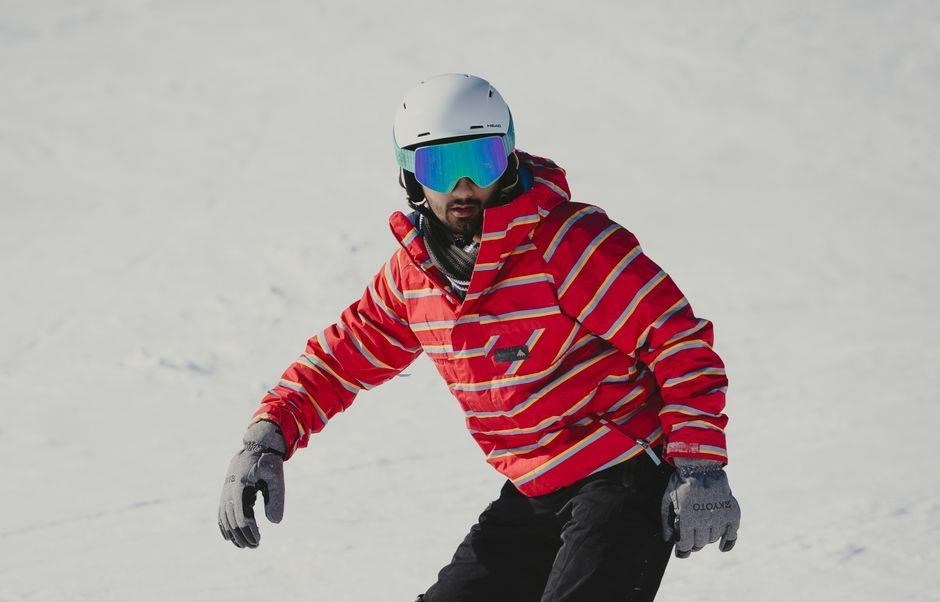
The variety of available hues allows users to tailor their visual experience based on personal preference and specific environmental needs․ For instance‚ rose tints are designed to make whites pop and reds more vivid‚ providing a warm feeling and high contrast․ In contrast‚ green tints offer a more balanced approach‚ enhancing natural colors while maintaining clarity across the spectrum․ Blue tints are often preferred for their ability to create a cool tone‚ which helps in distinguishing subtle shades of blue and white․ Grey tints remain a classic choice‚ providing a neutral view that does not distort colors‚ making them ideal for those who prefer a natural look․ Each hue is carefully calibrated to interact with the Perceive technology‚ ensuring that the contrast is optimized regardless of the chosen color․ By selecting a specific tint‚ riders can modify how they perceive the textures of the snow and the surroundings․ This customization ensures that every individual finds a visual profile that feels most comfortable for their eyes․ The differences between these diverse tints lie in how they manipulate specific color frequencies to highlight the complex terrain very effectively․
Selecting the Best Lens for Weather Conditions
Choosing the right optics depends heavily on the atmosphere․ Understanding how light interacts with your gear is essential for safety․ This section explains the logic behind matching your equipment to the current environmental state of the mountain․
Best Options for Foggy and Overcast Skies
When the sky turns grey and visibility drops‚ selecting a lens designed for low-light environments becomes absolutely critical for your safety․ Flat light conditions can make it nearly impossible to see contours on the snow‚ increasing the risk of dangerous accidents․
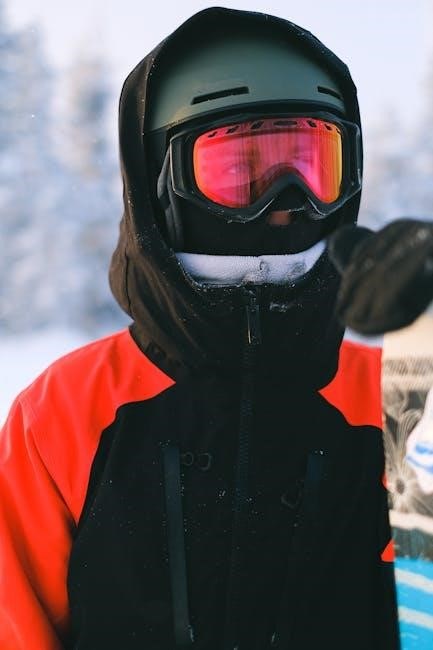
To combat this‚ look for options that maximize light intake․ High-contrast tints like yellow or rose are exceptional for these specific scenarios․ These specific colors filter out certain wavelengths‚ allowing you to distinguish between subtle bumps and dips in the terrain much more effectively and safely․
For extremely dark or stormy weather‚ a clear or light amber lens is the most reliable choice․ These allow the maximum amount of available light to reach your eyes‚ ensuring you aren’t skiing blindly through the heavy‚ cold mountain mist․
- Rose tints improve depth perception․
- Yellow lenses highlight contrast in haze․
- Clear options provide raw‚ pure visual clarity․
By switching to these specialized optics‚ you ensure that your vision remains sharp even when the thick clouds close in․ This strategic choice transforms a challenging day into a truly manageable and highly enjoyable ride across the vast snowy slopes today․
Best Options for Bright Snow and High Altitude
When the sun is blazing and the snow reflects intense rays‚ your eyes need maximum protection from glare․ At high altitudes‚ the atmosphere is thinner‚ allowing more harmful radiation to reach you‚ making high-performance dark lenses an absolute necessity for every serious rider․
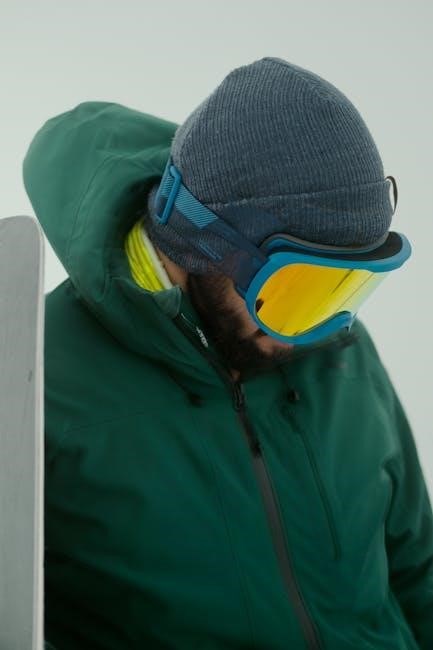
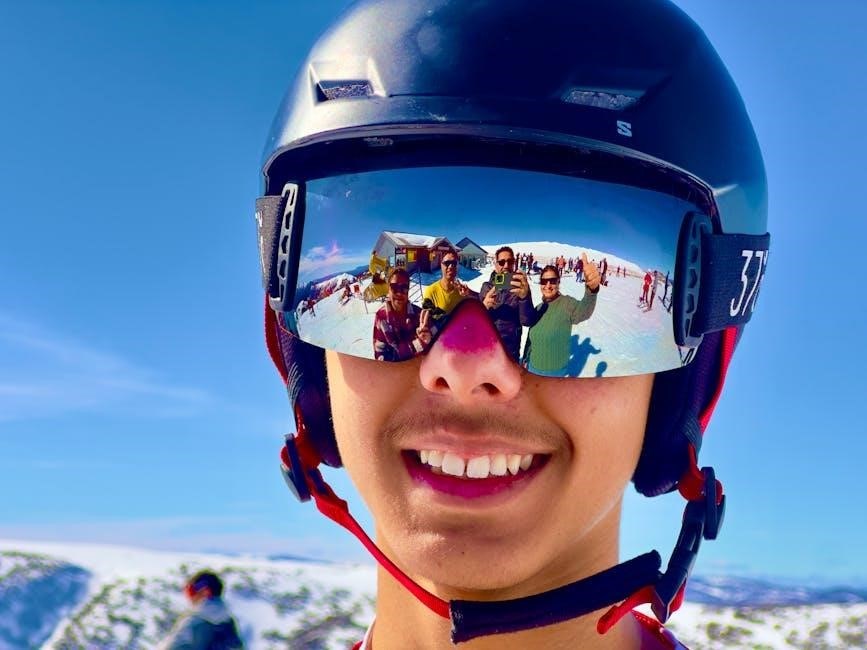
Darker tints‚ such as grey or deep copper‚ are the gold standard for these blinding conditions․ These colors reduce the overall intensity of the light‚ preventing eye strain and fatigue during long hours on the mountain․ Additionally‚ mirrored coatings are highly effective because they reflect a significant portion of light away from the eye before it even enters the lens․
Consider these features for your gear:
- Silver mirrors for maximum reflection․
- Dark grey bases for natural color perception․
- Copper tones for slight visual clarity․
Using these specialized options ensures that you can navigate steep‚ bright peaks without squinting․ This superior protection allows you to focus entirely on your line and the terrain ahead․ By choosing optics specifically tailored for high-intensity light‚ you safeguard your vision while maintaining peak performance across the most luminous‚ sun-drenched summits of the entire winter season in the mountains․
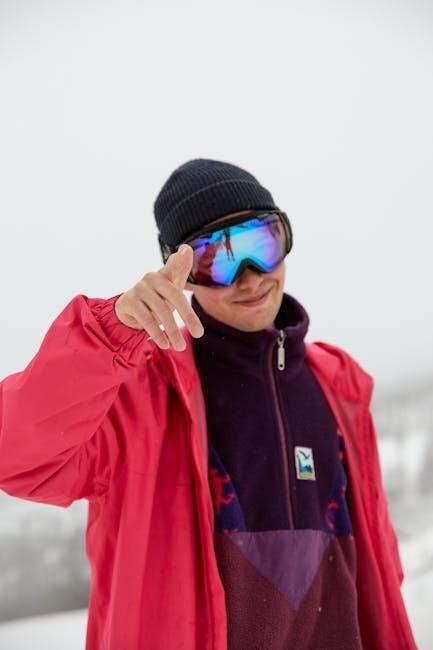
Anon Lens Maintenance and Longevity
Preserving the quality of your optics is crucial for long-term performance; A commitment to regular upkeep prevents premature wear‚ ensuring that your investment remains functional and effective throughout every demanding winter season you spend on the slopes․
Best Practices for Cleaning and Storage
To keep your lenses in pristine condition‚ always utilize a clean microfiber cloth․ Avoid using paper towels or clothing‚ as these materials often contain abrasive fibers that can cause permanent micro-scratches on the surface․ When removing smudges‚ apply light pressure and wipe in a circular motion․ Never use harsh chemical solvents‚ window cleaners‚ or soap that contains perfumes‚ as these substances can strip away specialized protective layers that are essential for maintaining clarity․
Proper storage is equally vital for ensuring longevity:
- Always place your goggles in a protective hard case or a soft pouch when not in use․
- This prevents accidental impacts and keeps dust from accumulating․
- Avoid leaving your eyewear on a car dashboard or near heaters‚ as extreme heat can warp the lens or damage the seals․
- Store them in a cool‚ dry environment away from direct sunlight․
By following these simple steps‚ you protect the integrity of the material․ Consistency in these habits ensures that your vision remains crystal clear‚ providing safety and confidence while navigating the mountains during your most intense winter activities and adventures across the globe in any weather condition․