Train hopping, the act of boarding moving trains without payment, has a storied past in adventure and counterculture․ It blends risk, skill, and a love for speed, offering fleeting freedom for those who dare to chase the rails․
It blends thrill, history, and rebellion, yet remains a niche activity daily
What Is Train Hopping?
Train hopping, often referred to as rail surfing, is the act of boarding a moving train without a ticket․ It has roots in the early days of rail travel when freight cars were often left unattended, allowing adventurous travelers to hop aboard․ Over time, the practice evolved into a subculture that blends risk‑taking, improvisation, and a love for speed․ Enthusiasts value the spontaneous freedom and adrenaline rush that comes from navigating the complex logistics of rail schedules and platform geometry․ A successful hop requires precise timing, a keen sense of a train’s acceleration, and a quick, controlled jump onto a suitable boarding point—often a freight car or an open door on a passenger train․ While the allure is compelling, train hopping is illegal in most jurisdictions and carries significant safety risks․ Consequences of being caught can include fines, imprisonment, or both, and physical dangers range from falls to being struck by passing trains or other hazards on the tracks․ Despite these risks, a small community of dedicated hoppers persists, sharing tips on train types, schedules, and safe boarding spots through online forums and word‑of‑mouth․ They develop specialized gear, such as lightweight harnesses or padded gloves, to protect themselves during the hop․ The risks are real: a misjudged jump can result in serious injury or death, and legal penalties can be severe․ Nevertheless, for those who crave freedom and the thrill of the rails, train hopping remains a compelling, if illicit, adventure․
The culture surrounding train hopping is often portrayed in films, yet the reality is grounded in practical knowledge and risk assessment․ Many hoppers keep logs of routes, train types, and timing windows, treating hop as a experiment․?

Legal and Safety Considerations
Train hopping is illegal in most regions, exposing riders to fines, jail, or injury․ Safety risks include falling, being struck, or getting caught․ Always weigh legal penalties against physical dangers before attempting a hop․ Check legal rules and train times first now
Understanding the Risks and Laws
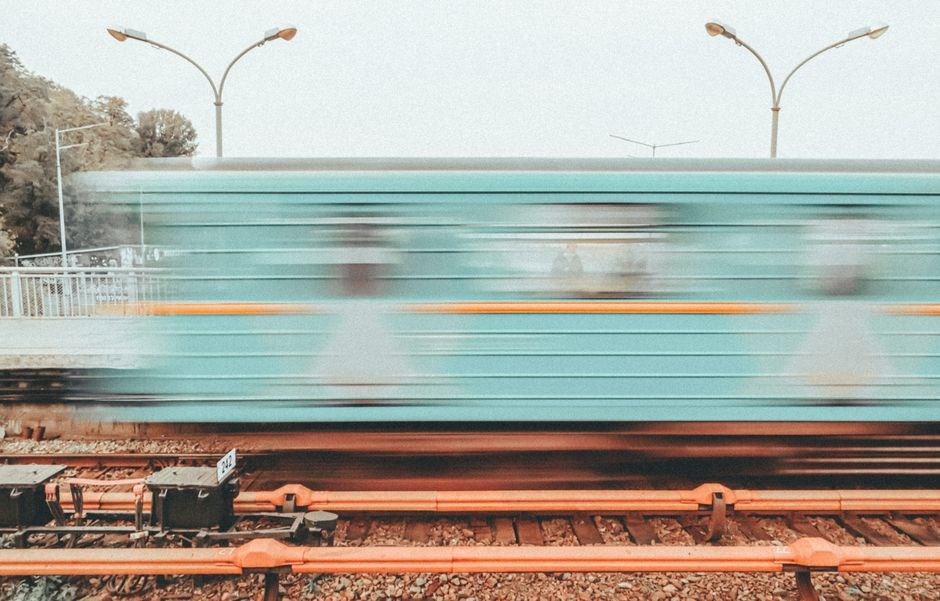
Before any attempt, it is essential to recognize that train hopping is not only a legal gray area but also a hazardous activity that can lead to severe consequences․ In most jurisdictions, boarding a moving train without a valid ticket is considered trespassing, theft, or assault on the rail system, which can result in fines ranging from a few hundred to several thousand dollars․ In more severe cases, individuals may face misdemeanor or felony charges, depending on local statutes and the circumstances of the incident․ Courts often view the act as a threat to public safety, especially when it involves high-speed freight or passenger services․ The risk of falling off a moving train is high, especially when the train is traveling at speeds exceeding 50 miles per hour․ Even a short misstep can result in serious injury or death․ The interior of a train is often cramped, with moving parts such as doors, windows, and ventilation systems that can trap or crush a passenger․ Moreover, the train’s motion can cause sudden jolts, making it difficult to maintain balance․ In freight trains, hazardous materials such as chemicals or explosives add another layer of risk․ Exposure to toxic fumes or accidental detonation can have catastrophic outcomes․ Safety protocols are crucial․ Riders should avoid trains carrying dangerous cargo and be aware of the train’s schedule to minimize exposure to high-speed segments․ Wearing protective gear such as helmets and knee pads can reduce the impact of falls․ Having a clear exit strategy and a communication plan with a trusted contact can help mitigate dangers if an emergency arises․ While some romanticize the thrill, the combination of legal penalties and physical hazards makes train hopping a perilous choice that requires careful consideration and respect for the law and personal safety․ Stay alert, stay safe․ OK!
Planning Your Route
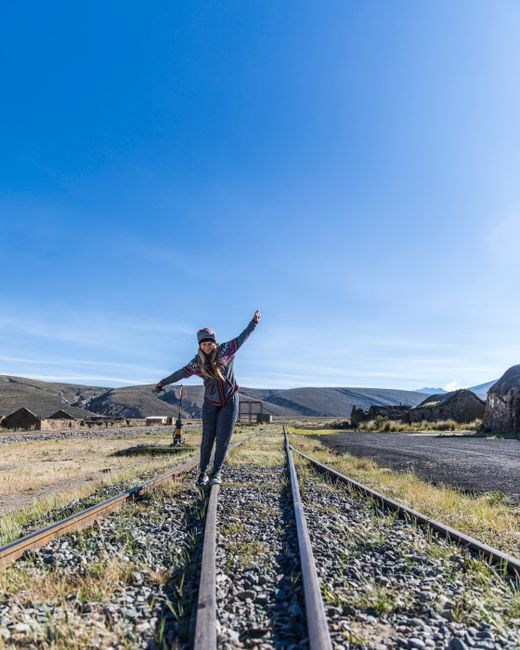
Planning a train hop demands research, timing, and caution․ Identify routes, study schedules, and map safe entry points․ Prioritize low‑traffic lines, avoid freight hubs, and note platform heights․ Keep a backup plan and stay aware of weather changes․ Stay alert, avoid high‑speed․
Choosing Destinations and Timetables
Choosing the right destinations and aligning them with accurate timetables is the cornerstone of a successful train‑hopping venture․ Start by mapping a list of cities or regions that intrigue you, then cross‑reference those with the national rail network’s published schedules․ Pay attention to service frequency; an hourly line offers more opportunities than one that runs only twice a day․ Narrow your list and examine specifics: departure and arrival times, rolling stock, and seasonal variations that might affect the schedule․ Some commuter lines slow during rush hour, making them more accessible for a hop, while freight‑heavy routes have tighter windows that are harder to exploit․ Consider the legal status of the line: certain tracks are closed to public access or have heightened security measures that could jeopardize your safety․ Once you have a timetable, plan your hop around the least busy hours—late afternoon—when the train’s speed is and the crew is less alert to unauthorized passengers․ Keep a backup schedule in case of delays or cancellations; having a route ready can save you from a scramble and keep your adventure on track!!
When you’re ready to commit, create a detailed itinerary that includes the departure station, the platform number, and the precise time you plan to arrive․ Note any nearby landmarks or crossing points that can serve as a reference for spotting the train․ Also, research the train’s speed profile: some express services accelerate quickly, while local trains maintain a steadier pace, affecting the timing of your jump․ Finally, keep a discreet log of your observations—this will help refine future hops and avoid repeating mistakes․
Equipment Essentials
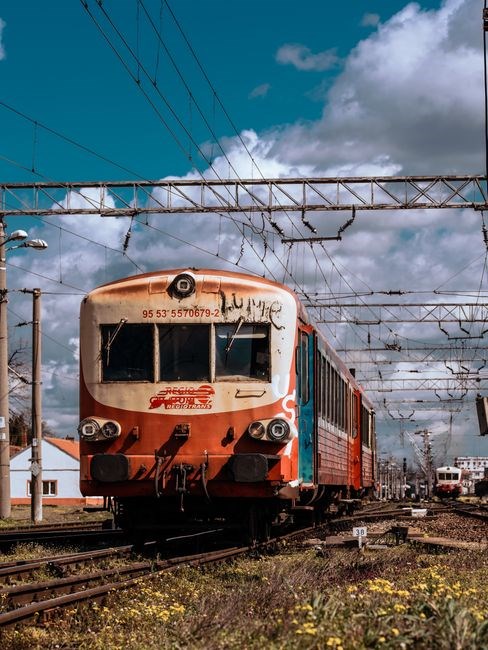
Pack a lightweight pack, durable shoes, a compact flashlight, a map, a whistle, a small first‑aid kit, and a sturdy, weather‑proof jacket․ Carry a small, non‑detectable bag for essentials, and a reusable water bottle․ Keep your gear light, secure, and ready and a small snack quick now!
Gear and Supplies for the Journey
When preparing for a train‑hopping adventure, the right gear can mean the difference between a smooth ride and a dangerous ordeal․ A lightweight, durable backpack with multiple compartments keeps essentials organized․ Choose ripstop nylon for abrasion resistance, and pack a small first‑aid kit, a flashlight, and a water bottle․
Footwear is critical․ Choose sturdy, closed‑toe shoes or hiking boots with good traction and ankle support․ They should be comfortable enough for long walks and capable of handling uneven surfaces, platform edges, and sudden changes in terrain․ A pair of gloves protects your hands from splinters, sharp edges, and the cold, especially if you plan to climb onto a moving train during winter months․
Lighting is essential for nighttime hops․ A compact, high‑luminosity LED flashlight or headlamp with a rechargeable battery will illuminate platforms and help you spot potential hazards․ Carry spare batteries or a portable charger to ensure power lasts through the entire journey․ A small, reflective whistle can serve as a signal device in case you need to attract attention or communicate with fellow travelers, and a small bag for extra supplies today․
Hydration and nutrition are key for energy․ Pack a reusable water bottle for refills at stations․ Bring high‑calorie snacks like nuts, dried fruit, energy bars, or jerky․ These items are lightweight, easy to carry, and provide fuel to keep you alert during the hop․ Finally, secure belongings with a lockable, anti‑theft backpack or a discreet pouch for valuables such as a wallet, phone, or passport․ A small, lightweight, non‑detectable bag keeps essentials safe while navigating the platform and train carriages!!

Finding the Right Spot
Choosing a safe boarding point hinges on platform length, train type, and signal visibility․ Look for low‑speed stops, minimal crowding, and clear sightlines to the moving train․ Avoid busy junctions, and use station maps or local knowledge to spot optimal gaps․ Check length and train speed before boarding!!․
Identifying Train Types and Platforms
When scouting a boarding point, first recognize the locomotive type․ Freight cars are heavy, slow, and lack doors, so gaps between cars are key․ Intercity passenger units travel at moderate speeds, feature side doors, and have longer platforms, demanding precise timing․ Commuter trains run faster during peak hours, often on short platforms, and may have frequent stops․
Platform geometry matters: low, flat platforms give a stable launch, while high platforms require a sharper jump․ Look for “no boarding” signs or raised edges, which signal restrictions and hazards․ Observe the train’s schedule and dwell times; a brief stop is risky, a longer one offers a wider margin․ The surrounding environment also influences risk: a busy freight yard provides more options but more surveillance; a rural station may be quieter but has limited sightlines․
By combining knowledge of train types, platform design, and environmental cues, a rider can pinpoint the optimal spot for a safe boarding attempt․
In addition, the time of day can affect platform conditions․ Mornings may have fewer passengers but more dust on tracks, while evenings bring lighting that can obscure gaps․ Weather also plays a role: rain can make the platform slick, and wind may shift the train’s speed slightly․ Riders often scout the platform in advance, noting any structures like trailers or fencing that could block a clear approach․ By factoring these variables, the rider refines the chosen window, balancing speed, visibility, and safety․
Executing the Jump
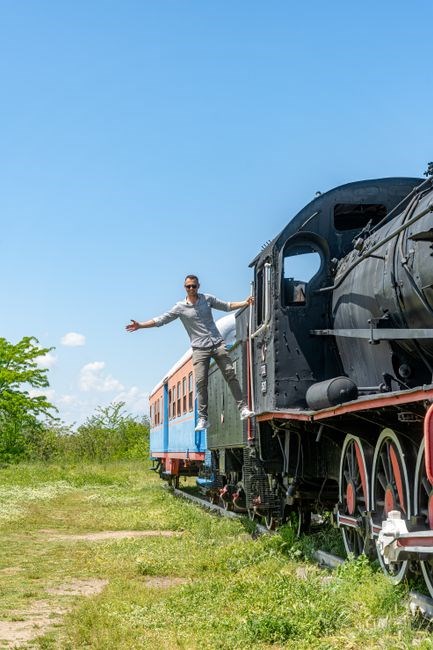
Timing is critical: match the train’s speed, align your stride, and leap from the gap with a slight forward lean․ Keep your body low, use a firm grip on the rail, and land on the next car’s platform, absorbing impact with bent knees․ A practiced hop cuts danger, yet vigilance wins․!
Timing and Technique for a Safe Hop
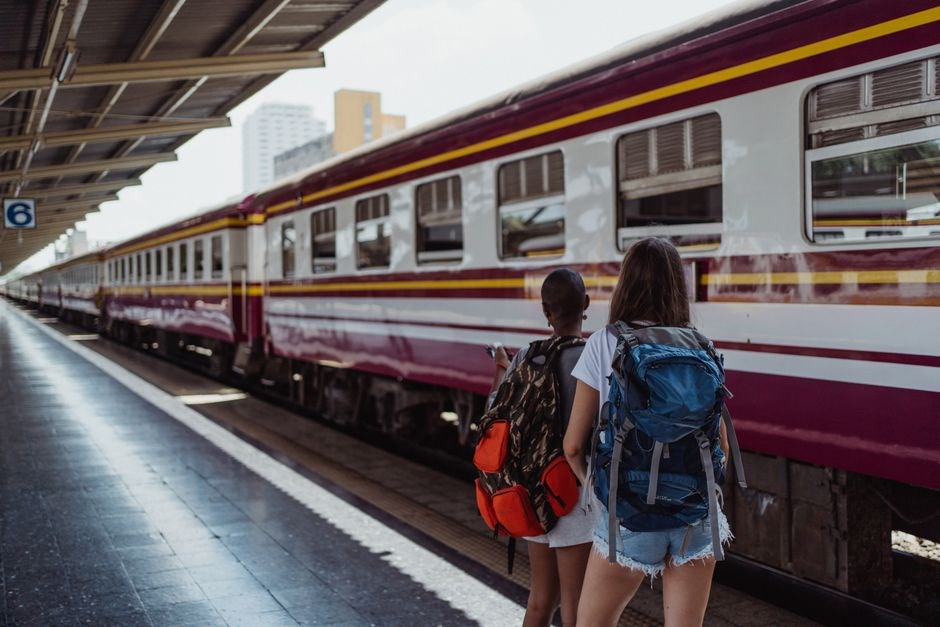
Mastering the moment you step onto a moving train is an art that blends physics, intuition, and a dash of daring․ First, observe the locomotive’s speed and the rhythm of the wheels․ A faster train demands a shorter, more precise leap, while a slower one allows a slightly longer approach․ Position yourself on the platform edge, keeping your feet shoulder‑width apart for balance․ As the train draws near, gauge the distance between the platform and the next car; a gap of about 1–2 feet is ideal for a clean hop․ Your body should be slightly forward‑leaning, knees bent, and arms extended for stability․ Timing hinges on the train’s acceleration: wait until the locomotive’s wheels are fully engaged before you commit․ A common technique is to let the train’s momentum carry you, so you should release your grip just as the train’s front passes your toes․ This minimizes the force you need to exert․ Once airborne, tuck your head toward your chest, keeping your shoulders aligned with the train’s direction․ Your landing should be on the next car’s platform, with feet landing first to absorb impact․ Use your knees to cushion the fall, and maintain a low center of gravity to prevent tipping․ After landing, quickly move away from the rail to avoid the train’s moving parts․ Practicing in a controlled environment, such as a deserted siding with a slow train, can help refine your timing and build confidence․ Remember, the key to a safe hop is anticipation, a steady stance, and a smooth, controlled motion that respects the train’s speed and your own physical limits․ Practice with a friend to simulate conditions and improve your timing ․!
After the Hop: Staying Safe on the Train
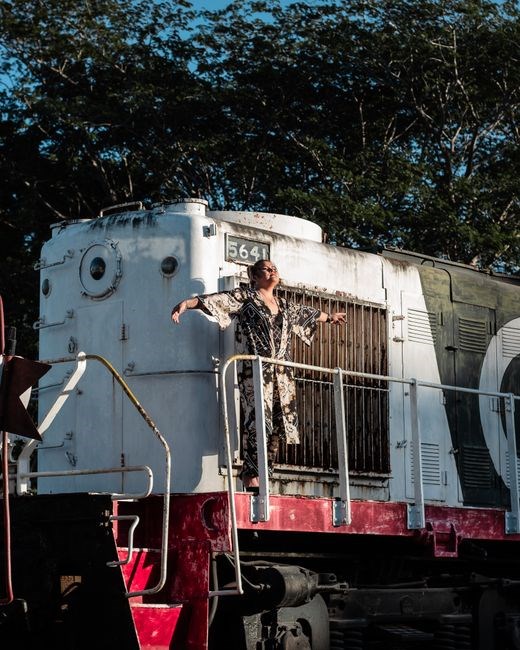
After alighting, keep a low profile by staying near the interior walls, avoiding open doors and moving platforms․ Use a backpack to conceal any gear, and move quickly to a seat or storage area․ Monitor crew movements, stay quiet, and exit before the train stops !!
Navigating and Avoiding Detection
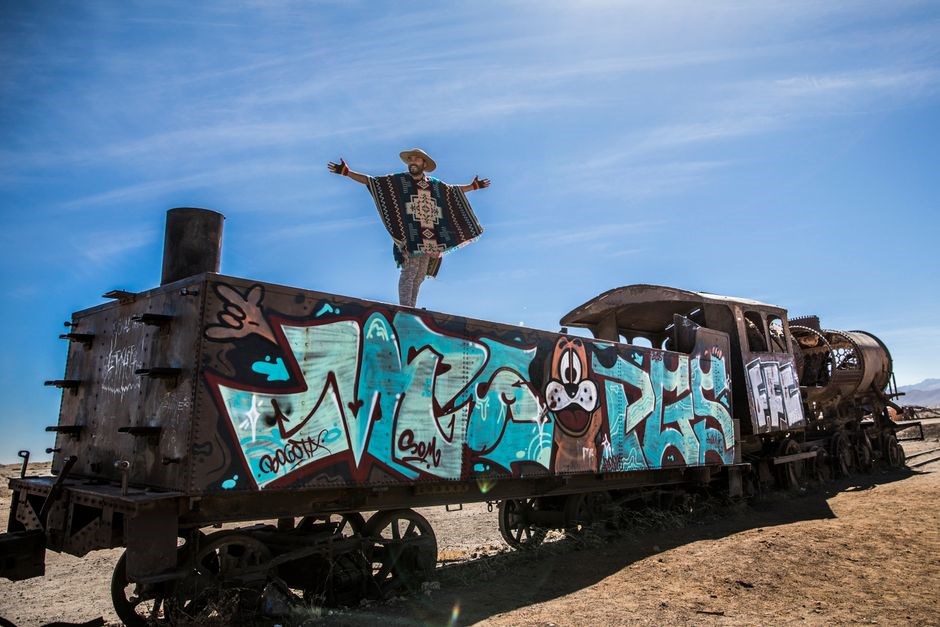
Observe the crew’s routine: conductors typically patrol the carriages at set intervals, while attendants may check for ticket validity near the entrance․ Timing your movements to coincide with these patrols can reduce the chance of being noticed․ For example, if a conductor passes by at 3:00 pm, wait until after 3:15 pm before moving to a new location․
Once aboard, the primary goal is to blend in with the flow of passengers and crew․ Start by locating the nearest seat or storage area; avoid standing near the doors or on the platform edge where crew focus is highest․ Use a small, inconspicuous bag to conceal any personal items, and keep your movements deliberate and unhurried․
Maintain a low profile by staying away from the train’s front and rear doors, where security checks are most frequent․ Instead, position yourself near the middle of the carriage, where foot traffic is lighter and surveillance is minimal․ If you need to move, do so quietly, using the aisle rather than the central corridor․
- Keep your voice down and stay calm․
- Do not linger near the conductor’s station or the ticket office․
- Use the restroom only when absolutely necessary․
- When the train slows or stops, move to a seat or a storage compartment before the crew can notice․
Finally, always have an exit plan․ Know the route and the location of the next major stop․ If you sense scrutiny․ Finish safely․ Stay safe!