2004 Ford F-150 Owner’s Manual: A Comprehensive Guide
This manual details repair, maintenance, and operation for 2004-2008 Ford F-150 models, covering 4.2L V6 and V8 engine specifics.

Welcome to the 2004 Ford F-150 experience! This comprehensive guide serves as your primary resource for understanding and maintaining your vehicle. Whether you’re a seasoned Ford enthusiast or a new owner, this manual provides essential information. It covers everything from basic operation to detailed maintenance schedules, ensuring years of reliable service.
Specifically, this manual addresses the 4.2L V6 and various V8 engine options available in the 2004 F-150. It’s designed to help you maximize your truck’s performance and longevity.
Vehicle Identification & Key Information
Understanding your vehicle’s unique identity is crucial. This section details how to locate and interpret your 2004 Ford F-150’s Vehicle Identification Number (VIN). The VIN provides vital information about your truck’s specifications and history.
Furthermore, we’ll outline key engine specifications for both the 4;2L V6 and available V8 engine options. Knowing these details is essential for proper maintenance and repair procedures, ensuring optimal performance and safety.
Vehicle Identification Number (VIN) Location
Locating your 2004 Ford F-150’s VIN is straightforward. You’ll find it on the driver’s side dashboard, visible through the windshield. It’s also present on the driver’s side doorjamb sticker. Additionally, the VIN is stamped on the frame, typically near the front suspension components.
Record this 17-digit code for future reference, as it’s essential for warranty claims, theft recovery, and obtaining vehicle history reports.
Engine Specifications (4.2L V6 & V8 Options)
The 2004 Ford F-150 offered two primary engine choices. The standard engine was a 4.2L V6, producing approximately 200 horsepower and 260 lb-ft of torque. For increased power, several V8 options were available, including a 4.6L and a 5.4L.
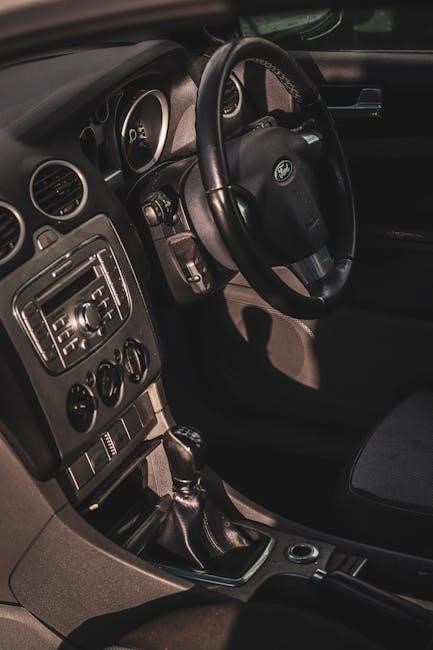
The 5.4L V8 delivered around 300 horsepower and 365 lb-ft of torque, ideal for towing and hauling. Always refer to your vehicle’s specific engine code.
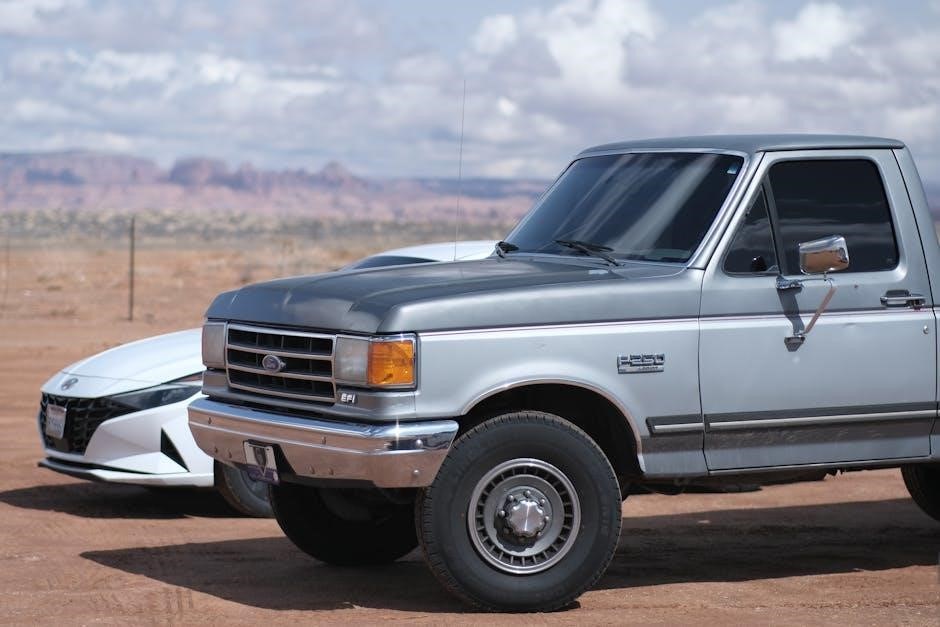
Understanding Your Vehicle’s Systems

Your 2004 Ford F-150 features interconnected systems for optimal performance. This section details engine operation, transmission functionality, and the intricacies of the braking system. Proper maintenance, including regular fluid checks and timely repairs, is crucial. Understanding these systems empowers you to identify potential issues early and ensure your truck’s longevity.
Familiarize yourself with each component for safe and efficient operation.

Engine Operation & Maintenance

The 2004 Ford F-150 offers 4.2L V6 and V8 engine options, each requiring specific care. Regular oil changes are paramount, utilizing the correct grade as specified. Monitor fluid levels diligently – coolant, power steering, and brake fluid – topping up as needed. Inspect belts and hoses for wear, and address any leaks promptly to maintain optimal engine health and prevent costly repairs.
Transmission System Overview

The 2004 Ford F-150 typically features an automatic transmission, crucial for smooth operation. Regular fluid checks are vital; low levels can cause shifting issues and damage. Avoid harsh shifting and ensure proper warm-up before heavy loads. Inspect for leaks around the transmission housing. Following the recommended maintenance schedule will prolong the transmission’s life and ensure reliable performance for years to come.
Braking System Details
Your 2004 Ford F-150 is equipped with a hydraulic braking system, potentially including Anti-lock Braking System (ABS). Regularly inspect brake pads, rotors, and lines for wear or damage. Ensure adequate brake fluid levels, using the specified DOT type. Familiarize yourself with ABS operation – a pulsing pedal is normal during ABS activation. Promptly address any unusual noises or reduced braking performance for optimal safety.
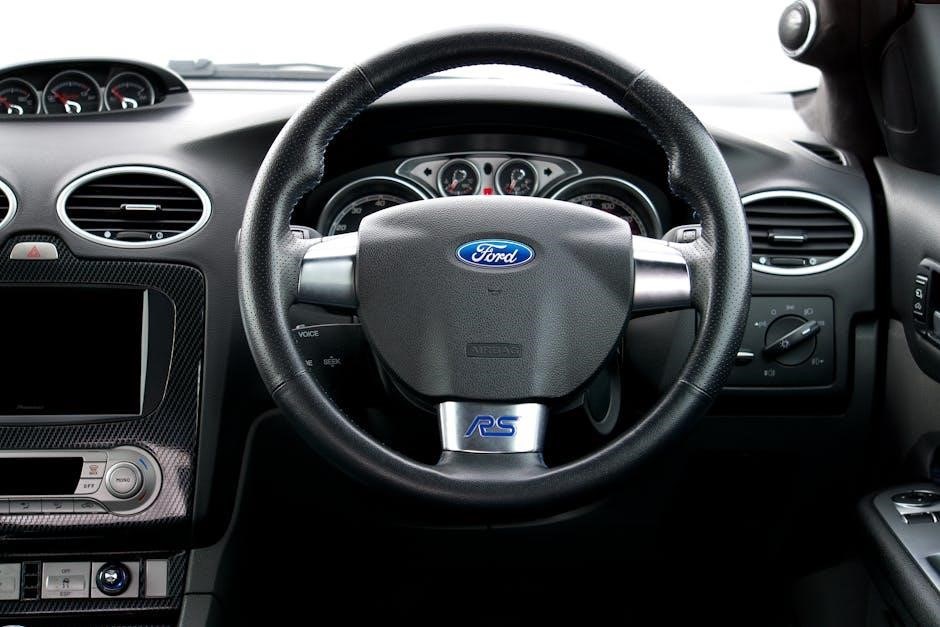
Interior Features & Controls
The 2004 Ford F-150’s cabin offers adjustable seating and comprehensive safety restraints – always buckle up! Master the climate control system for optimal comfort. Explore the audio system’s entertainment features, including radio and potentially a CD player. Understand the location and operation of all interior controls, like power windows and door locks, for a safe and enjoyable driving experience.
Seating & Safety Restraints
Proper seating adjustment is crucial for comfort and control. Always utilize the provided safety restraints – seatbelts – for all occupants. Familiarize yourself with the correct usage of shoulder belts and lap belts. Understand child safety seat installation guidelines for optimal protection. Regularly inspect seatbelts for damage and ensure proper functionality before each trip. Prioritize safety!
Climate Control System Operation
The 2004 F-150’s climate control offers heating, ventilation, and air conditioning. Adjust temperature and fan speed using the intuitive controls. Select desired airflow modes – defrost, floor, vent, or blend. Utilize the air recirculation feature for quicker cooling or to minimize outside odors. Regularly check refrigerant levels for optimal performance. Ensure proper operation for year-round comfort.
Audio System & Entertainment Features

Your 2004 F-150’s audio system provides AM/FM radio, cassette, and CD playback capabilities. Controls include power, volume, tuning, and balance/fader adjustments. Explore available features like auto-seek and preset station memory. Some models may include an auxiliary input for external devices. Ensure proper speaker function and antenna connection for optimal sound quality. Enjoy your favorite entertainment on the road!
Exterior Features & Maintenance
The 2004 F-150’s exterior includes a comprehensive lighting system – headlights, taillights, turn signals, and brake lights – requiring regular inspection for proper function. Maintain tire pressure and inspect wheels for damage. Regularly wash and wax the vehicle to protect the paint. Check and maintain fluid levels for windshield washers. Address any rust or corrosion promptly to preserve the body’s integrity.
Lighting System Guide
Your 2004 F-150’s lighting includes headlights (low & high beam), turn signals, brake lights, parking lights, and a cargo area light. Regularly inspect all bulbs for functionality, replacing any that are burnt out. Understand the operation of the headlight switch, including automatic settings if equipped. Ensure lenses are clean for optimal visibility. Familiarize yourself with the location of all exterior lights for maintenance purposes.
Tires & Wheels Information
Maintaining proper tire pressure is crucial for safety and fuel efficiency in your 2004 F-150. Refer to the sticker on the driver’s side doorjamb for recommended PSI. Regularly inspect tires for wear, damage, and uneven tread. Rotate tires as per the maintenance schedule. Ensure wheels are properly torqued after rotation or replacement. Understand tire size and load ratings for appropriate usage.
Routine Maintenance Schedule
Adhering to the maintenance schedule ensures optimal performance and longevity of your 2004 F-150. Key services include regular oil changes, fluid level checks (coolant, brake, power steering), and filter replacements. Inspect belts, hoses, and tires frequently. Follow the recommended intervals for spark plug replacement and transmission fluid service. Consult the full schedule in this manual for detailed guidance.
Oil Change Procedures
Regular oil changes are crucial for engine health. Warm up the engine, then safely lift the vehicle. Locate the oil drain plug and oil filter. Drain the old oil completely, then replace the filter with a new one, lightly lubricating the gasket. Reinstall the drain plug, fill with the correct oil type and quantity, and check the level with the dipstick.
Fluid Level Checks & Top-Ups
Maintaining proper fluid levels ensures optimal vehicle performance. Regularly check engine oil, coolant, brake fluid, power steering fluid, and transmission fluid. Use the dipsticks or reservoir markings to verify levels. Top up as needed with the manufacturer’s recommended fluids. Inspect for leaks and address them promptly to prevent damage and maintain safe operation.
Troubleshooting Common Issues
Addressing minor issues promptly can prevent larger repairs. Common problems include starting difficulties – check the battery, starter, and fuel system. Electrical faults may involve fuses or wiring. If issues persist, consult a qualified technician. Diagnostic trouble codes can aid in pinpointing the source of the problem for efficient resolution and continued reliability.
Starting Problems & Solutions
If your 2004 F-150 fails to start, first verify the battery’s charge and connections. A weak battery is a frequent cause. Next, inspect the starter motor and solenoid for proper function. Ensure sufficient fuel delivery; a faulty fuel pump or clogged filter can hinder starting. Check for any active diagnostic trouble codes that may pinpoint the issue.
Electrical System Faults
Addressing electrical issues in your 2004 F-150 begins with inspecting fuses and relays. A blown fuse is a common culprit for malfunctioning components. Examine wiring harnesses for damage, corrosion, or loose connections. If a functional block shows an active code (like U063), further diagnostics are needed. Consider professional assistance for complex electrical faults, ensuring proper repair and safety.
Safety Features & Operation
Your 2004 Ford F-150 is equipped with crucial safety systems. Understand the airbag system’s operation – airbags deploy in moderate to severe collisions. The Anti-lock Braking System (ABS) prevents wheel lockup during hard braking, enhancing control. Always utilize seatbelts for optimal protection. Familiarize yourself with these features for safe operation and emergency response, prioritizing passenger well-being during every journey.
Airbag System Information
The 2004 Ford F-150’s airbag system is a supplemental restraint designed for moderate to severe impacts. Airbags deploy rapidly, so always wear seatbelts. Front airbags protect head and chest; side airbags offer additional torso protection. Never place objects near airbags. A warning light indicates system issues; seek service immediately if illuminated. Proper operation ensures maximum safety during collisions.
Anti-lock Braking System (ABS)
The 2004 Ford F-150’s ABS prevents wheel lockup during braking, enhancing steering control. When ABS activates, you’ll feel a pulsing sensation in the pedal – maintain firm, continuous pressure. Do not pump the brakes. The ABS light illuminates if a system fault exists; have it inspected promptly. ABS works best on hard, even surfaces, improving safety in emergency stops.
Towing & Payload Capacity
Your 2004 Ford F-150’s towing and payload limits are crucial for safe operation. Exceeding these limits compromises handling and braking performance. Consult the owner’s manual or doorjamb sticker for specific capacities based on your vehicle’s configuration. Proper weight distribution is essential; heavier loads should be positioned towards the front of the trailer or bed.
Towing Guide & Hitch Information
Selecting the correct hitch is paramount for safe towing with your 2004 Ford F-150. Ensure the hitch’s weight capacity matches or exceeds the trailer’s gross vehicle weight. Understand the difference between gross trailer weight (GTW) and tongue weight. Regularly inspect the hitch, ball mount, and safety chains for wear or damage.
Payload Limits & Distribution
Proper payload distribution is crucial for maintaining vehicle control and stability. Never exceed the maximum payload capacity listed on the vehicle’s doorjamb sticker. Distribute weight evenly across the cargo bed, with heavier items positioned directly over the axle. Avoid concentrating weight towards the rear, as this can reduce steering responsiveness and braking effectiveness.
Warranty Information
Your 2004 Ford F-150 is covered by a limited warranty against defects in materials or workmanship. This warranty includes coverage for specific components for a defined period or mileage, whichever comes first. Refer to the separate warranty booklet for detailed information regarding coverage, exclusions, and claim procedures. Maintaining proper vehicle maintenance is essential for warranty validity.
Emergency Assistance & Roadside Assistance
In case of emergency, your 2004 Ford F-150 may be eligible for roadside assistance services. These services can include towing, jump starts, tire changes, and fuel delivery. Contact your Ford dealership or refer to your owner’s manual for specific contact information and coverage details. Always prioritize safety and follow local emergency protocols when requesting assistance.
Technical Specifications
Your 2004 Ford F-150’s technical data includes crucial dimensions and fluid capacities. Weight varies by configuration, but understanding these specs is vital for maintenance. Fluid capacities cover engine oil, coolant, transmission fluid, and more – consult the manual for precise amounts. Dimensions are essential for parking and assessing clearances.
Dimensions & Weight
The 2004 Ford F-150’s dimensions are critical for navigating tight spaces and ensuring proper fitment of accessories. Weight varies significantly based on cab style, bed length, and engine choice. Knowing these specifications aids in calculating payload capacity and towing limits. Refer to the owner’s manual for detailed charts outlining these crucial measurements.
Fluid Capacities
Maintaining correct fluid levels is paramount for optimal 2004 Ford F-150 performance and longevity; This section details capacities for engine oil (varying by engine type), coolant, transmission fluid, power steering fluid, brake fluid, and windshield washer fluid. Always consult your owner’s manual for precise specifications related to your specific F-150 configuration.